新闻摘要:
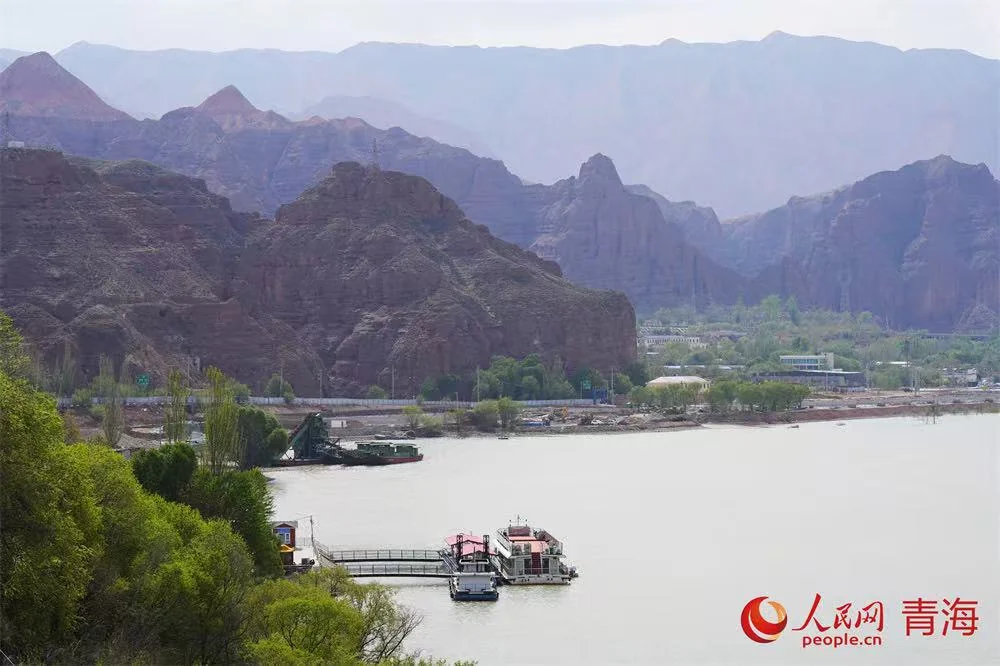
记者到访青海海东市循化撒拉族自治县,描绘出黄河在当地蜿蜒流淌的风貌与人河共生的变迁。曾经在汛期靠羊皮筏子摆渡、与洪浪搏命的生活,随着1970年黄河大桥通车和近年来路网与桥梁建设,逐步被公路、桥梁和便捷交通取代。
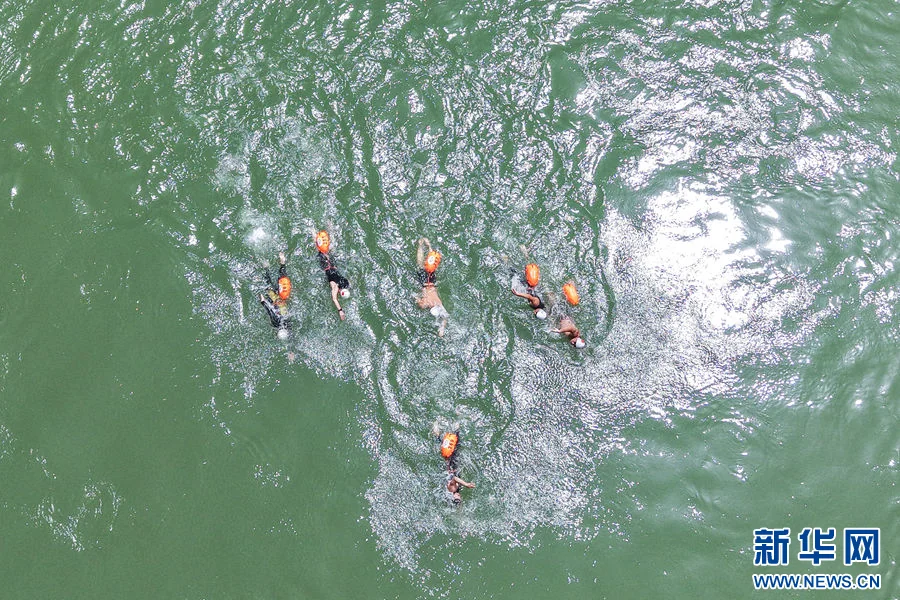
与此同时,羊皮筏子作为撒拉族的重要非物质文化遗产,在文旅融合中焕发新生,成为节庆展演和游客体验的亮点。循化还长期承办中国青海国际抢渡黄河极限挑战赛,推动旅游、交通、非遗与生态保护协同发展,促进乡村道路硬化、游客人数与旅游收入增长,河道治理和两岸绿化也让生态环境持续向好。
思考与启发:
这段报道提醒我们,生活的改善往往来自于勤劳与互助的积累,也来自对传统与自然的尊重。把旧有技艺保护起来,用新的方式让其服务于当下,是对先人智慧的一种守望;同时,治理河道、植绿护水,则是为子孙留下一片可持续的生活场域。
天经里同样教导人要把公义、怜悯与谦卑落到日常里:既要追求发展与生活改善,也要以节制与相互扶持来对待自然与邻里,这样的道路更能长久。
经文:
《先知书·弥迦卷 6:8》 世人哪,主已指示你何为善;向你所要的是什么呢?只要你行公义,好怜悯,存谦卑的心,与你的主同行。
链接:📖 查看经文
### English Translation
Title: The Changing River Crossing of Xunhua and a Hopeful FutureNews Summary
A reporter visited Xunhua Salar Autonomous County in Haidong, Qinghai, and described how the Yellow River winds through the area and how people’s relationship with the river has changed. In the past, during flood season, residents used goat‑skin rafts to ferry people and goods, battling the raging currents. Since the opening of the Yellow River Bridge in 1970 and the recent expansion of roads and additional bridges, those risky raft crossings have been gradually replaced by highways, bridges, and convenient transport.
At the same time, the goat‑skin raft—an important intangible cultural heritage of the Salar people—has found new life through cultural‑tourism projects. It now features in festivals, performances, and visitor experiences. Xunhua also hosts the China‑Qinghai International “River‑Crossing Challenge” each year, linking tourism, transportation, heritage preservation, and ecological protection. The effort has led to paved rural roads, more visitors, higher tourism income, better river management, and greener riverbanks, all contributing to a healthier environment.
Thoughts and Inspiration
The report reminds us that a better life often comes from hard work, mutual help, and respect for tradition and nature. Preserving old skills while adapting them to modern needs honors the wisdom of our ancestors. Likewise, caring for the river—through flood control and planting trees—leaves a sustainable living space for our children and grandchildren.
The same principle appears in Scripture: we are called to practice justice, mercy, and humility in everyday life. We should pursue development and improved living conditions, yet do so with self‑control and a spirit of caring for the earth and our neighbors. Such a path endures.
Scripture
Micah 6:8 – “He has shown you, O mortal, what is good. And what does the Lord require of you? To act justly and to love mercy and to walk humbly with your God.”
Link
https://www.huizu-tianjing.icu/xianzhishu/mijiajuan/6
来源:http://qh.xinhuanet.com/20260417/4cea1891c5584d99938a06e13770f076/c.html